
Climb Mount Kilimanjaro
Stand on the Roof of Africa at 5,895 meters. We guide you safely to Uhuru Peak with expert mountain crews, quality equipment, and proven acclimatization schedules on all six established routes.
Why Climb Kilimanjaro?
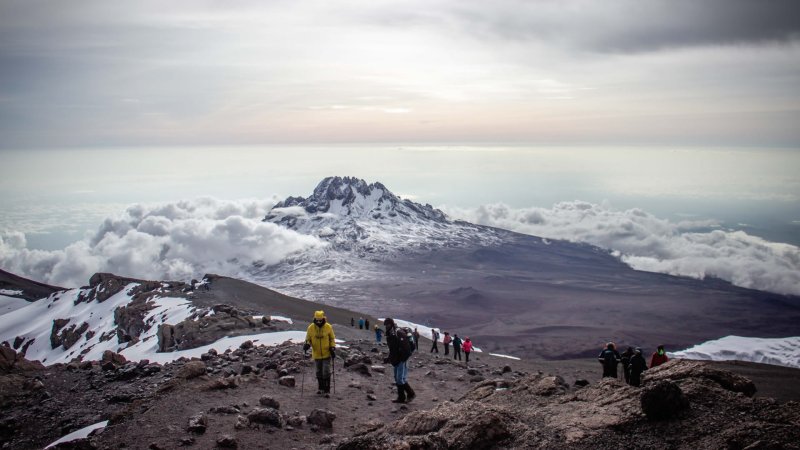
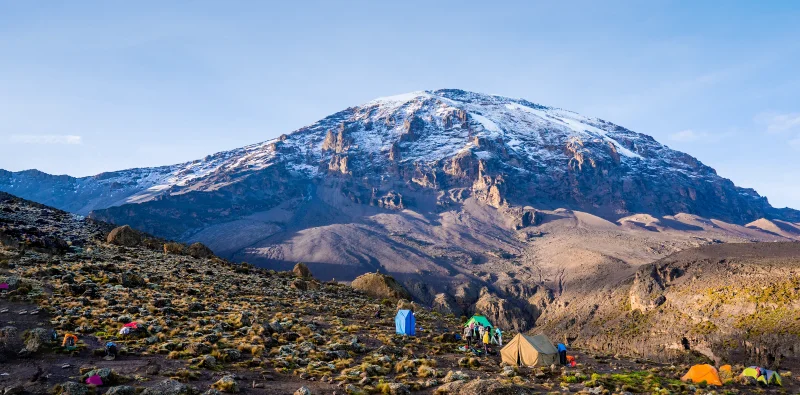
Mount Kilimanjaro is a dormant volcano in northeastern Tanzania, rising 5,895 meters (19,341 feet) above sea level. It is the tallest freestanding mountain in the world and the highest point on the African continent. Every year, roughly 35,000 trekkers attempt the summit, drawn by the challenge, the beauty, and the life-changing experience of standing above the clouds at Uhuru Peak.
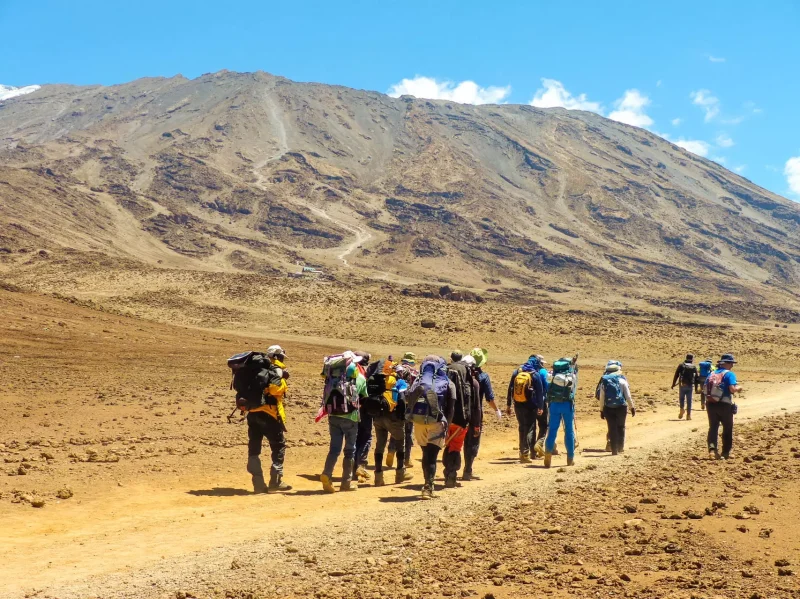
Unlike other major peaks such as Everest, Denali, or K2, Kilimanjaro requires no technical climbing skills. There are no ropes, crampons, or ice axes involved. It is a trek, not a climb, which makes it accessible to anyone with reasonable fitness, proper preparation, and a determined spirit. The mountain passes through five distinct ecological zones, from tropical rainforest at the base to arctic conditions at the summit, offering an extraordinary journey through dramatically changing landscapes.
At Exceed Expectations Tours, our Kilimanjaro program is built on over a decade of mountain guiding experience. Our lead guides hold Wilderness First Responder certifications, carry pulse oximeters and supplemental oxygen for emergencies, and follow strict acclimatization protocols designed to maximize your summit success rate.
Kilimanjaro Route Comparison
Each route offers a unique experience. Compare duration, difficulty, scenery, and success rates to find the right route for you.
| Route | Days | Difficulty | Success Rate | Scenery | Traffic | From | |
|---|---|---|---|---|---|---|---|
| Machame Route | 7 days | Challenging | 85% | Moderate | $2,100 | Details | |
| Marangu Route | 6 days | Moderate | 85% | Moderate | $1,800 | Details | |
| Lemosho Route | 8 days | Challenging | 85% | Moderate | $2,400 | Details | |
| Rongai Route | 7 days | Moderate | 85% | Moderate | $2,100 | Details | |
| Northern Circuit | 10 days | Challenging | 85% | Moderate | $2,800 | Details | |
| Umbwe Route | 7 days | Difficult | 85% | Moderate | $2,100 | Details |
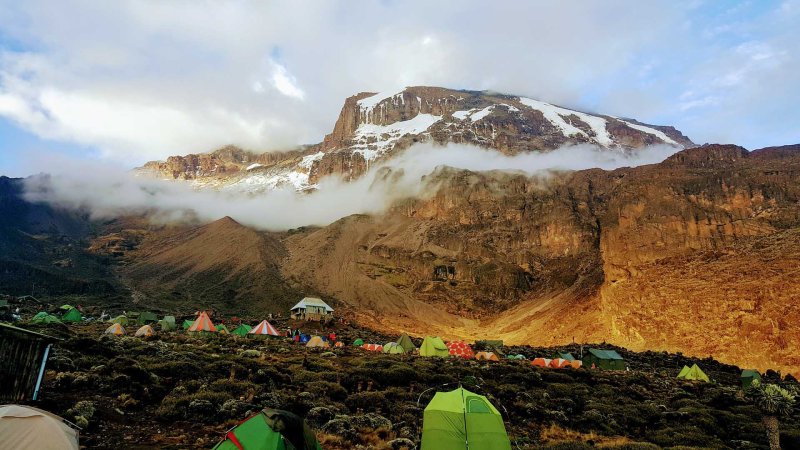
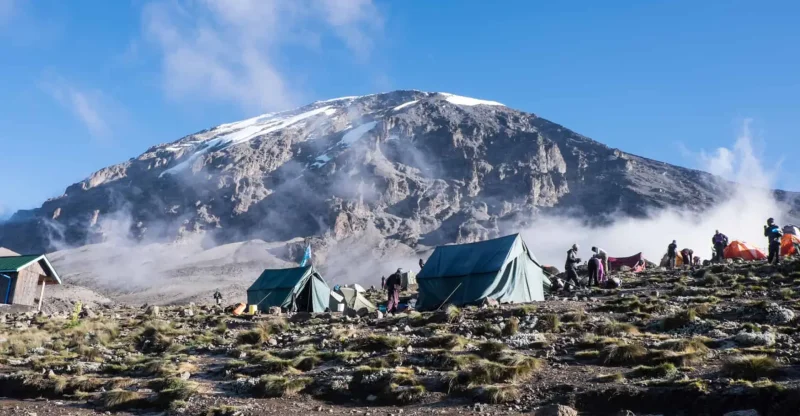
Kilimanjaro Climbing Routes
Kilimanjaro FAQs
Kilimanjaro does not require technical climbing skills, but it does demand a reasonable level of physical fitness and mental determination. You should be comfortable walking six to eight hours per day on varied terrain for several consecutive days. A training program of regular cardiovascular exercise (hiking, running, cycling) beginning at least two to three months before your climb is strongly recommended. Prior altitude experience is helpful but not essential. The biggest challenge is altitude rather than physical difficulty, and a positive mental attitude is often the deciding factor in summit success.
Altitude sickness is the primary risk on Kilimanjaro and we take it very seriously. Our guides are trained to recognize symptoms of Acute Mountain Sickness (AMS), High Altitude Pulmonary Edema (HAPE), and High Altitude Cerebral Edema (HACE). We monitor climbers using pulse oximeters twice daily and use the Lake Louise scoring system to assess symptoms. Our itineraries are designed with optimal acclimatization profiles including walk high sleep low days. Guides carry emergency oxygen and evacuation equipment. If a climber shows signs of severe altitude sickness, descent is initiated immediately. Diamox (acetazolamide) can help with acclimatization and your doctor may prescribe it before your climb.
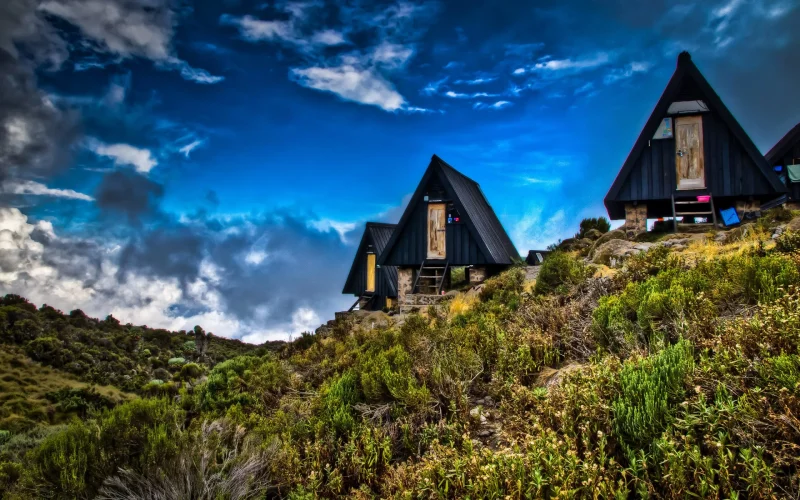
On all our Kilimanjaro climbs, we provide a private portable toilet (sometimes called a "portable loo" or "poo tent") for your exclusive use. This is a freestanding toilet with a tent for privacy, set up at each camp by your support team. This is significantly more comfortable than the public pit latrines at the campsites, which can be unpleasant. The portable toilet is cleaned and maintained by a dedicated crew member. Hand sanitizer and toilet paper are provided. The Marangu Route has permanent toilet facilities at each hut, though quality varies.
We provide purified drinking water throughout your Kilimanjaro climb. Water is collected from mountain streams and purified using filtration and purification tablets by your support crew. You should drink three to four liters of water per day to aid acclimatization and prevent dehydration. We provide water bottles at each camp and your guide will encourage regular hydration throughout the day. Do not drink untreated water from streams. Bring a one-liter water bottle that you can refill at each camp and carry during the day's trek.
Ready to Reach the Summit?
Tell us when you want to climb and we will match you with the best route, the right preparation plan, and an expert mountain team dedicated to getting you to Uhuru Peak.
Book Your Kilimanjaro Climb